

The Tow That Costs Twice
The math looks reasonable from the outside. A tow truck costs money, a tow strap costs fifteen dollars, and the shop is only a few miles away. Killeen towing calls that follow a DIY attempt tell a different story about how that math plays out. The gap between what a driver expected to spend and what they actually spent is rarely small. DIY towing carries a specific set of financial risks that don’t appear until something goes wrong, and by then the savings calculation has already been settled.
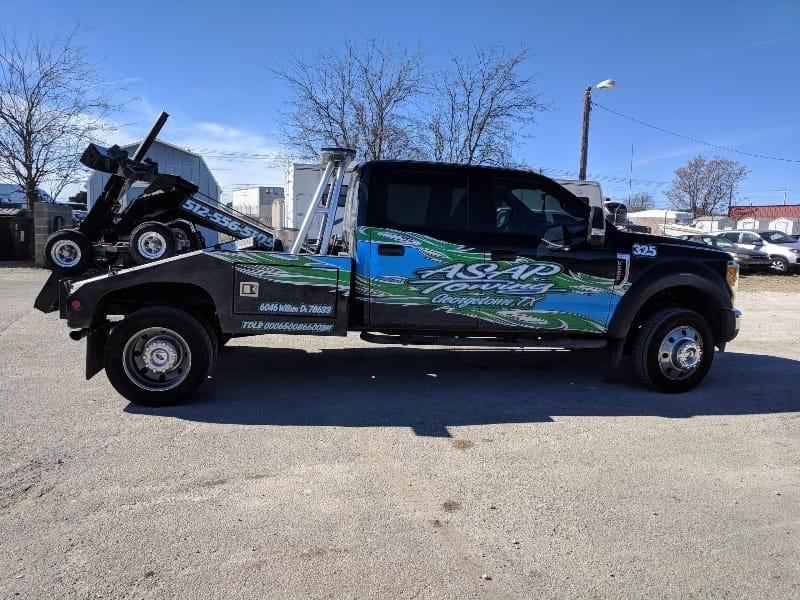
The Setup You Need vs. The Setup You Have
Most drivers who attempt a DIY tow believe a truck, a hitch, and a strap cover the basics. But the actual list of what a legal, safe tow requires is longer, and the gaps between assumption and reality are where the expenses begin.
A Public Safety Hazard
A towed vehicle on a public road needs functioning brake lights and turn signals visible from behind. Safety chains rated for the load weight crossed beneath the connection point, and in many states a licensed driver inside if the vehicle is being flat-towed with all four wheels on the ground. Any towed vehicle over a certain weight also requires a brake controller in the tow vehicle. Traffic stops for an improperly configured tow setup result in fines that commonly run between $100 and $500. Getting stopped more than once on the same trip is not unusual when the setup was wrong at the start.
What Happens to the Transmission
Front-wheel-drive and all-wheel-drive vehicles towed on a strap with driven wheels on the road spin their transmission components without engine lubrication. The cost to repair or replace a transmission damaged this way runs between $2,000 and $5,000 depending on the vehicle. That bill falls entirely on the person who hooked up the strap, and it is not recoverable from the other party in any scenario.
What a Failed DIY Tow Actually Costs
A tow strap that snaps under load becomes a projectile. A connection point that fails at speed releases the towed vehicle into traffic. A towed vehicle that begins to sway can pull the tow vehicle sideways before the driver can react. These are the foreseeable outcomes of a setup that wasn’t right, and the costs they generate follow a consistent pattern:
- Body damage to the towed vehicle from a failed connection: $1,500 to $8,000
- Body or frame damage to the tow vehicle from a sway or collision: $2,000 to $15,000+
- Damage to a third-party vehicle if the towed car enters traffic: open-ended liability
- The tow truck that was the original plan anyway: $150 to $400
Killeen towing professionals see the aftermath of failed DIY tows regularly. A failed attempt almost always ends with a tow truck call anyway. Plus repair bills that were never part of the original savings calculation.
The Insurance Gap
Personal auto insurance policies typically do not cover damage that occurs to another vehicle while you are towing it. Damage to the vehicle being towed is also commonly excluded. If the connection fails and the towed vehicle strikes another car, the liability falls on the person who set up the tow.
Legal costs, repair bills for the third party, and any injury claims are the driver’s personal exposure in that situation. A Killeen towing professional carries commercial liability coverage for every vehicle they move. That coverage is part of what the towing fee pays for.
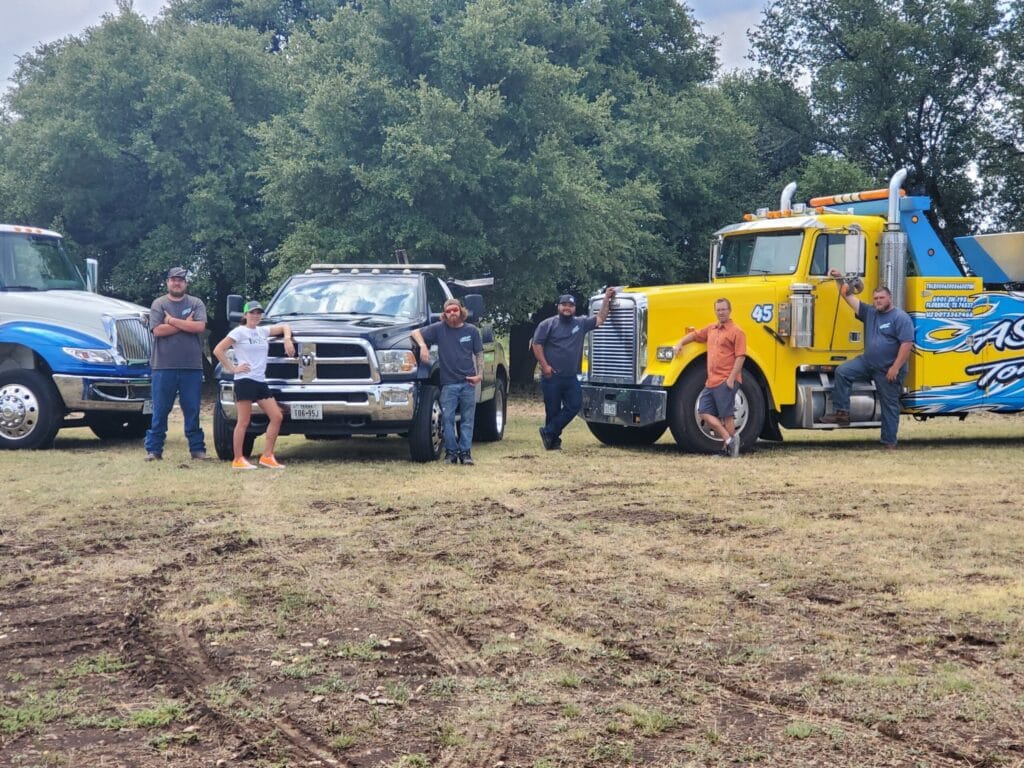
ASAP Towing Runs Killeen Towing for Less Than the Repair Bills Do
ASAP Towing provides Killeen towing at a cost that is less than a deductible and far less than a transmission replacement. Our Killeen towing crew arrives with the right equipment for the vehicle, and every load is secured before we pull away from the scene.
When ASAP Towing handles a Killeen towing call, the vehicle gets to where it needs to go without adding a repair bill to the situation. Call us before the strap comes out and we will take it from there.
FAQ
Can I tow my car with a rental truck?
Some rental trucks are rated for towing and come equipped with a hitch. But the rental agreement typically prohibits towing another vehicle unless a tow dolly or car transport trailer is rented specifically for that purpose. Towing a personal vehicle behind a rental with a strap usually violates the rental agreement. This voids the rental company’s liability coverage and leaves the renter personally responsible for any damage. Check the agreement before assuming it’s permitted.
What does roadside assistance typically cover for towing?
Most roadside assistance plans cover towing to the nearest qualified repair facility, up to a set mileage limit. The coverage applies when the vehicle has broken down and can’t be driven, not for relocating a vehicle or towing something you’re trying to move yourself. If the tow exceeds the mileage limit, the driver typically pays the difference. Plans vary significantly, so knowing your limit before you need it is worth the two minutes it takes to check.
Can a DIY tow void my car’s warranty?
It can, if the towing method causes damage that the manufacturer would otherwise cover. Most powertrain warranties exclude damage resulting from improper operation, which includes towing a drivetrain-incompatible vehicle in a way that damages internal components. A dealership that identifies transmission damage caused by an improper tow will deny the warranty claim. Documentation of who performed the tow and how typically won’t help if the method was wrong.
Is a tow strap the same as a tow chain, and does it matter?
They serve different purposes and are not interchangeable. A tow strap is designed to absorb shock and is appropriate for recovery situations where a vehicle is being extracted from a ditch or soft ground. It is not designed for sustained highway towing. A tow chain or rigid tow bar is more appropriate for moving a vehicle on a road, though neither replaces a flatbed or wheel-lift for anything beyond a very short, low-speed move. Using a recovery strap for a highway tow is how straps fail under load.
What should I do if my car breaks down far from home?
Contact a towing service rather than attempting to move the vehicle yourself or asking another driver to tow you. Most towing companies can transport vehicles over long distances, and many work with auto clubs or insurance roadside programs. If the vehicle is on a highway shoulder, stay in the car with your seatbelt on and hazard lights running until help arrives. Moving far from the vehicle on foot along a highway is more dangerous than waiting.
How do I know if my hitch is rated for towing another vehicle?
The hitch rating is usually stamped on the hitch receiver itself and listed in the vehicle’s owner’s manual under towing capacity. There are two key numbers: gross trailer weight (the maximum weight of the towed vehicle) and tongue weight (the downward force on the hitch, which should be 10 to 15 percent of the total load). If you can’t find those numbers, the vehicle’s manufacturer website typically has towing specs by year, make, model, and trim level. Using a hitch beyond its rated capacity is a liability issue as much as a mechanical one.