Breaking Down Common Towing Misconceptions
We’ve all stood by the roadside at some point, watching a vehicle get hooked up and hauled away, wondering what’s happening underneath the surface. In conversations around Killeen towing, one concern keeps popping up more than others. People worry that towing alone can ruin a transmission.
That idea has been repeated so often that it feels like common knowledge. Yet, when we look closer, the story isn’t so simple. The way a vehicle is towed, the type of drivetrain, and even small details like gear position all play a role in what actually happens.
Common Misconceptions About Towing
We hear many drivers assume that any tow will automatically damage their transmission. That belief comes from older vehicles and outdated practices. Years ago, improper towing methods did cause issues more frequently.
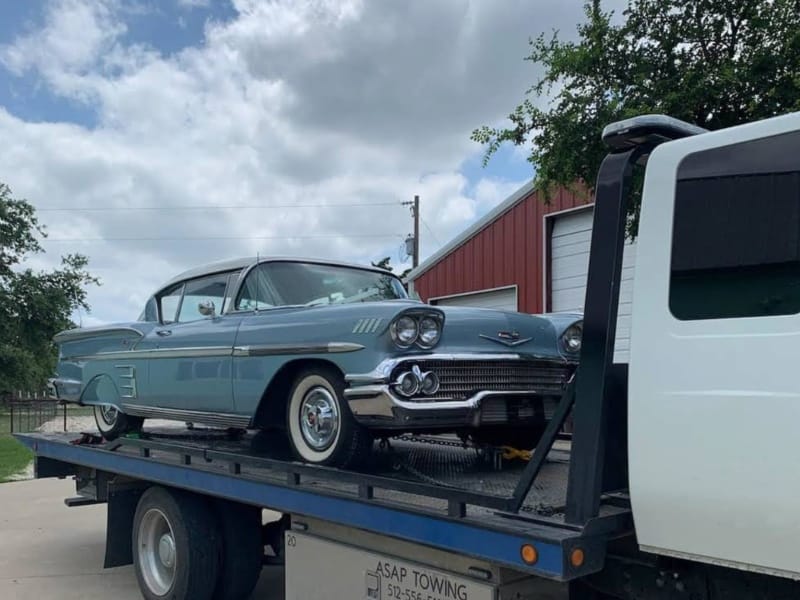
Modern towing practices have changed significantly. Flatbeds and wheel lifts reduce strain on critical components. When used correctly, these methods prevent the internal movement that leads to wear.
How Transmissions Actually Get Damaged
Transmission damage doesn’t come from towing alone. It happens when moving parts spin without proper lubrication. For example, if a drive axle turns while the engine is off, fluid may not circulate as needed.
That’s where technique matters. Incorrect setups can allow internal gears to move freely without protection. Proper towing avoids that scenario entirely.
The Role of Proper Equipment and Method
When we talk about towing today, equipment makes a major difference. The right setup keeps vehicles stable and prevents unnecessary movement during transport. This is where many myths begin to fall apart.
Drivers often imagine their car rolling behind a truck with wheels spinning freely. In reality, that’s rarely the case anymore. Most professional services rely on controlled, secure methods.
Flatbed vs Wheel-Lift Towing
Flatbed towing keeps all four wheels off the ground. This eliminates the risk of drivetrain movement. It’s widely considered the safest option for most vehicles.
Wheel-lift towing raises either the front or rear wheels. When done correctly, it still protects the transmission. The key lies in lifting the correct end based on the vehicle’s drivetrain.
Technique Matters More Than Assumptions
We’ve seen that damage comes from improper handling, not towing itself. Skilled operators follow guidelines specific to each vehicle type. They consider factors like front-wheel drive, rear-wheel drive, or all-wheel drive.
This attention to detail separates careful towing from risky shortcuts. It’s also why professional service matters more than the myths people hear.
Practical Tips for Vehicle Owners
Understanding a few basics can help drivers feel more confident when calling for help. It also reduces the chances of miscommunication during a tow.
Here are a few things we always keep in mind:
- Check your vehicle’s drivetrain type
- Ask about the towing method being used
- Ensure the car is in the correct gear setting
- Confirm that the parking brake is released when needed
These small steps go a long way in protecting your vehicle.
What to Ask Before a Tow
We encourage drivers to ask simple, direct questions. What type of truck will be used? How will the vehicle be secured? These questions help clarify the process.
Clear communication prevents confusion and builds trust. It also ensures the right approach is used from the start.
When Extra Caution Is Needed
Certain vehicles need added care. All-wheel-drive systems and electric vehicles often require flatbed towing. Ignoring that can lead to unnecessary strain.
Knowing this ahead of time helps avoid last-minute decisions. It also keeps everything running smoothly during pickup and transport.
How ASAP Towing Handles Every Killeen Towing With Care
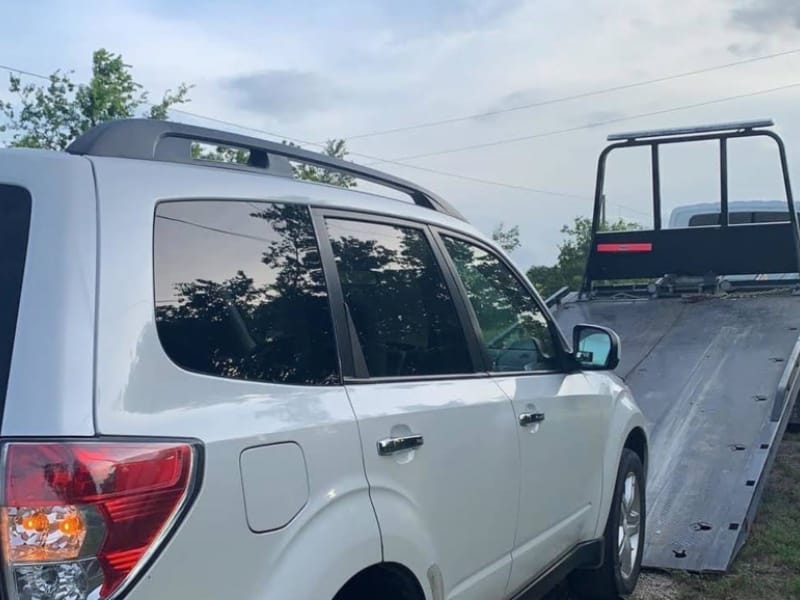
At ASAP Towing, we approach Killeen towing with a focus on accuracy and consistency. We don’t rely on guesswork. Each vehicle gets the method that suits it best, based on its design and condition.
We take the time to assess before we act. That’s how we handle Killeen towing in a way that avoids the issues people often worry about. From choosing the right equipment to securing the vehicle properly, every step matters.
Our team works through each Killeen towing job with attention to detail. We apply the right setup so transmissions stay protected throughout the process. This approach shapes how we handle Killeen towing every day.
We’ve built our routine around doing things the right way, not the fastest way. That’s how we continue delivering Killeen towing services that align with what vehicles actually need.
Even as conversations around towing continue to evolve, we stay grounded in practical methods. We focus on what works, not what’s repeated online.
FAQs
Can towing a car in neutral prevent transmission issues?
Placing a car in neutral can reduce resistance, but it does not guarantee protection. Some drivetrains still allow internal parts to move without proper lubrication. The towing method matters more than gear position alone.
Is flatbed towing always the safest option?
Flatbeds are widely considered the safest choice because all wheels stay off the ground. This setup limits movement in the drivetrain. It is especially useful for newer or more complex vehicles.
Do automatic and manual cars react differently during towing?
Yes, they do. Automatic transmissions rely on fluid circulation that may stop when the engine is off. Manual transmissions are generally more tolerant, but they still require proper handling.
Can towing short distances still cause damage?
Distance does not eliminate risk. Even a short tow can cause problems if the setup is incorrect. Proper technique matters more than how far the vehicle travels.
What role does drivetrain type play in towing?
Drivetrain determines which wheels receive power. This affects how a vehicle should be lifted or supported. Using the wrong method can lead to unnecessary strain on internal components.
Should I always inform the tow operator about my vehicle type?
Yes, sharing details helps ensure the right approach is used. Information like drivetrain and modifications can guide setup decisions. Clear communication reduces the chance of mistakes.